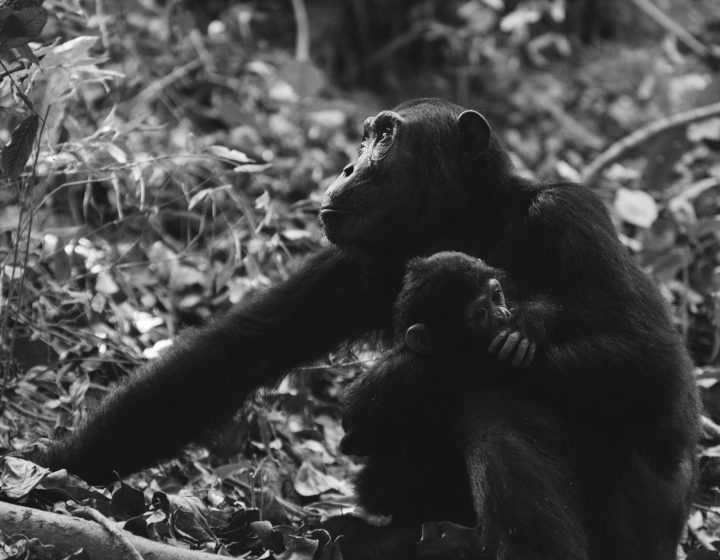
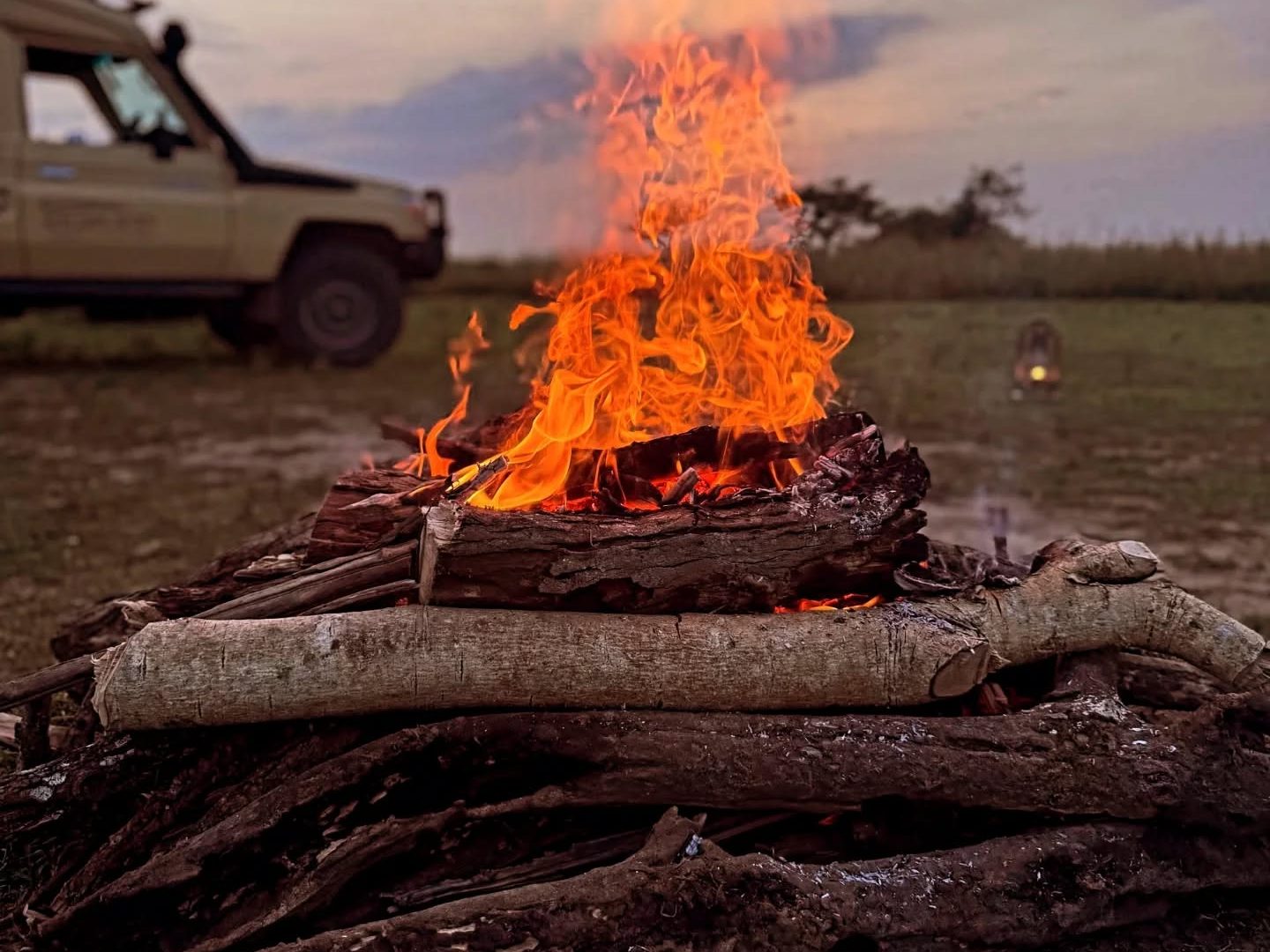
This journey brings together some of Uganda’s most rewarding experiences in one carefully paced safari. Begin in Kibale Forest with chimpanzee tracking and a walk through Bigodi Wetland, continue to Queen Elizabeth for wildlife and a Kazinga Channel boat safari, explore the Ishasha sector, then enter the forests of Bwindi for your gorilla encounter. The journey continues to peaceful Lake Bunyonyi and Lake Mburo, ending with a nature walk and a final stop at the Equator before returning to Entebbe.
Day 1: Arrive in Uganda
Welcome to Uganda. Meet your representative at Entebbe International Airport and transfer to your accommodation for a comfortable first night. The evening is yours to rest and settle in before your safari begins.
Day 2: Entebbe to Kibale Forest
After breakfast, journey west towards Fort Portal and Kibale Forest, with an optional visit to Amabere Caves, a cultural and historical site known for its caves and traditional stories. Continue to Kibale and settle into your forest accommodation near Bigodi Wetland.
Day 3: Chimpanzees & Bigodi Wetland
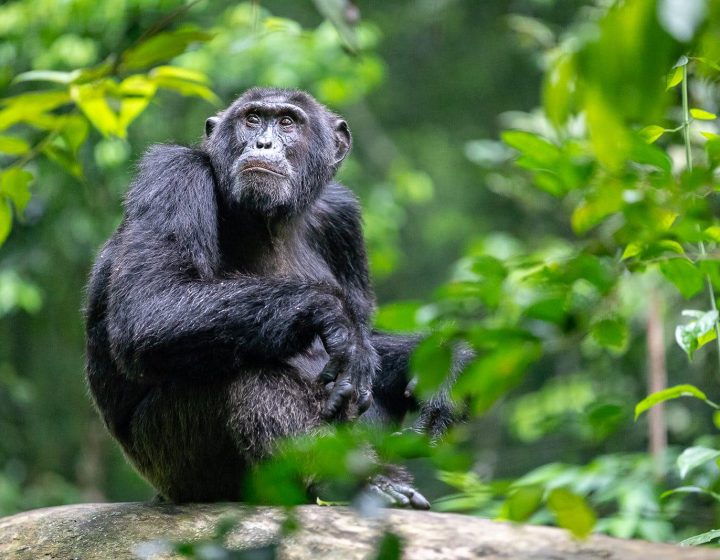
Today belongs to the forest. After a morning briefing, head into Kibale in search of chimpanzees, watching also for black-and-white colobus, red-tailed and blue monkeys. After lunch, explore Bigodi Wetland on a guided community walk, keeping an eye out for birds, primates and other wildlife along the trail.
Day 4: Kibale to Queen Elizabeth
Leave Kibale after breakfast and continue south towards Queen Elizabeth National Park. After lunch, head to the Kazinga Channel for a boat safari – connecting Lakes Edward and George, it is one of the best places in Uganda to observe hippos, crocodiles, elephants and abundant birdlife from the water.
Day 5: Queen Elizabeth to Ishasha
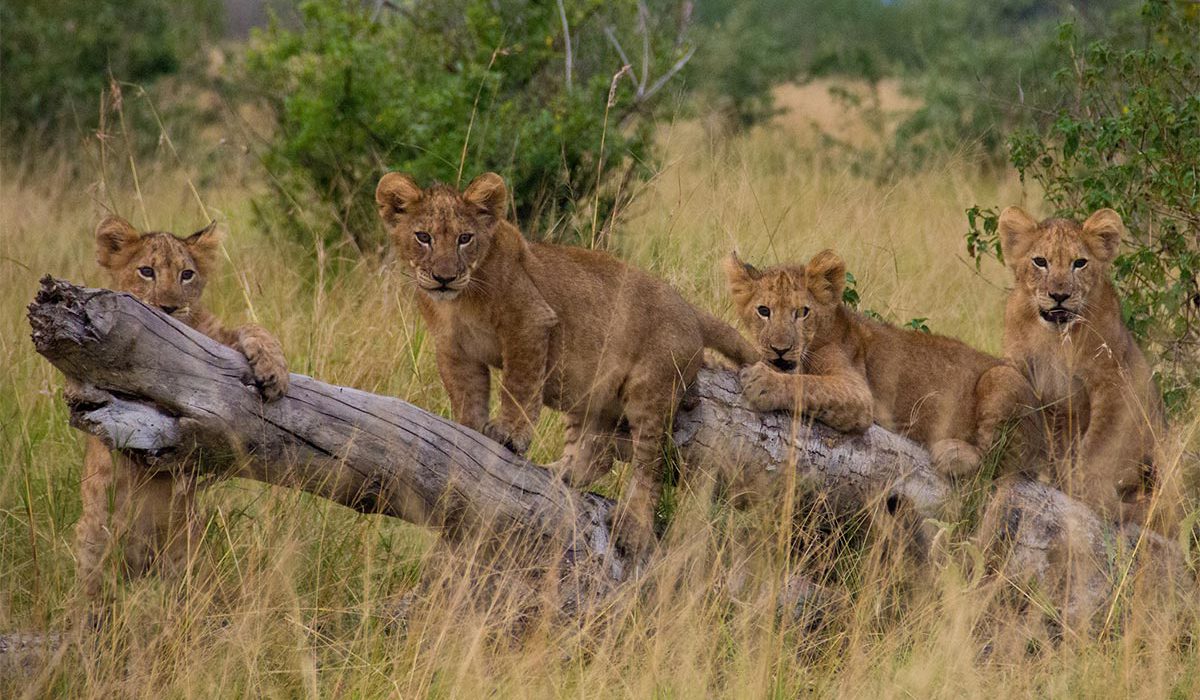
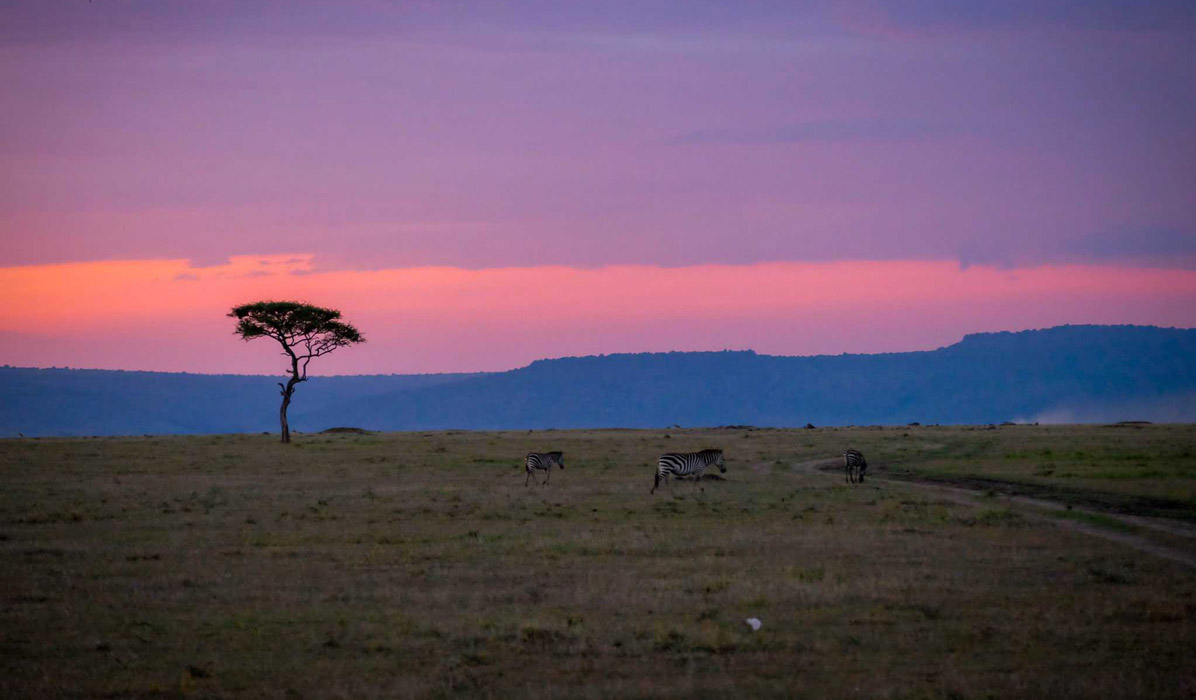
Begin with a game drive through the Kasenyi plains before continuing to the southern Ishasha sector, known for its tree-climbing lions and also home to elephants, buffalo, antelope and other wildlife. Depending on conditions, continue towards the Ishasha River for an evening game drive.
Day 6: Ishasha to Bwindi
Start with another chance to explore Ishasha before leaving the savannah and heading towards Bwindi. The landscape gradually changes as you approach the forested mountains of southwestern Uganda. Arrive, settle in and prepare for tomorrow’s gorilla trek.
Day 7: Gorilla Trekking in Bwindi
The highlight of your safari. After an early breakfast, head to the Buhoma sector for your trekking briefing, then enter the forest with experienced rangers and trackers to search for a habituated gorilla family. Spend up to one hour observing them in their natural environment. In the afternoon, visit Ride 4 a Woman in Buhoma to meet local women and take part in activities such as basket weaving or sewing.
Day 8: Bwindi, Lake Bunyonyi & Lake Mburo
Leave Bwindi and travel through the beautiful Kigezi highlands to Lake Bunyonyi for a relaxed canoe experience gliding between its scenic islands, with a local guide to share stories and history. Afterwards, continue towards Lake Mburo National Park through changing landscapes, arriving in the evening.
Day 9: Lake Mburo Nature Walk & Entebbe
Rise early for a guided nature walk in Lake Mburo National Park – walking with a ranger offers a different perspective from a vehicle safari and brings you closer to the wildlife. Afterwards, begin your journey towards Entebbe with a stop at the Equator; your driver-guide will transfer you directly to the airport in line with your flight time.
Gorilla trekking takes place in mountainous rainforest and can be physically demanding; trekking time varies with the location of the gorilla family. Permits are subject to availability and should be secured well in advance. Porters are available for travellers who would like assistance during the trek.
Chimpanzee tracking takes place in the forest and can involve several hours of walking. Comfortable hiking shoes and suitable rain protection are recommended.
Uganda's safari experience includes road travel between destinations. Some journeys are long, but they offer a chance to see rural Uganda, local communities and changing landscapes. Domestic flights can be considered where available to reduce road travel.